This blog is written together by Charlie Reed from Intuit’s Sustainability team and Aidan Reilly, Co-Founder of The Farmlink Project.
Origins of Our Partnership
Since 2022, Intuit has collaborated with The Farmlink Project, an Intuit customer and student-founded nonprofit dedicated to eradicating food waste through innovation. Together, over the course of the last three years, we have provided the necessary logistics to connect high-quality surplus food from hundreds of farms across the United States to food banks, helping communities in need and avoiding methane from unnecessary food waste.
Our work in Los Angeles began as a pilot to address food insecurity in the community. It has since blossomed into a three-year program that has delivered more than 11 million meals to a city that is particularly special to both of our organizations, as it’s home to Intuit offices and Intuit Dome.
In January, devastating wildfires blazed through the Los Angeles area, and our work in the community became even more urgent and personal, revealing just how intertwined food insecurity and climate vulnerability have become and why partnerships like this matter now more than ever.
When Disasters Become the New Normal
From devastating tornadoes tearing through the Midwest to unprecedented flooding across the Southeast, 2025 has been a year of climate extremes that have affected millions across our country. These disasters are no longer anomalies, they’re becoming our new reality as extreme weather events occur with ever-increasing frequency and intensity. Watching Los Angeles burn during the January wildfires was a stark reminder of the increasingly visible effects of a climate under duress.
The immediate destruction from disasters like these wildfires captures public attention, but the effects extend far beyond the loss of shelter and infrastructure. In the weeks and months following these catastrophes, as news cycles move on and public attention shifts elsewhere, thousands of displaced people continue to lack access to basic necessities like fresh food and clean water. The families standing in mile-long lines for groceries aren’t just dealing with displacement. They’re navigating a complex web of vulnerabilities that disasters have the power to compound into full-fledged, multi-layered crises.
This is where solutions that affect food insecurity intersect with climate vulnerability in ways that are both immediate and long-lasting. In Los Angeles, where 1 in 4 families were already unsure of where their next meal would come from before the fires, the disaster pushed an already strained system to its breaking point. Small businesses shuttered, workers lost jobs, and the economic networks that communities depend on were severed overnight.
Our Partnership in Action
For the past three years, Farmlink and Intuit’s partnership has been tackling one of the most significant but often overlooked drivers of climate change—food waste. The global food system contributes more planet-warming emissions than the entire transportation sector, with one-third of all food ultimately going to waste. Intuit was the first donor to approach Farmlink to specifically address and fund the climate impact of this work.
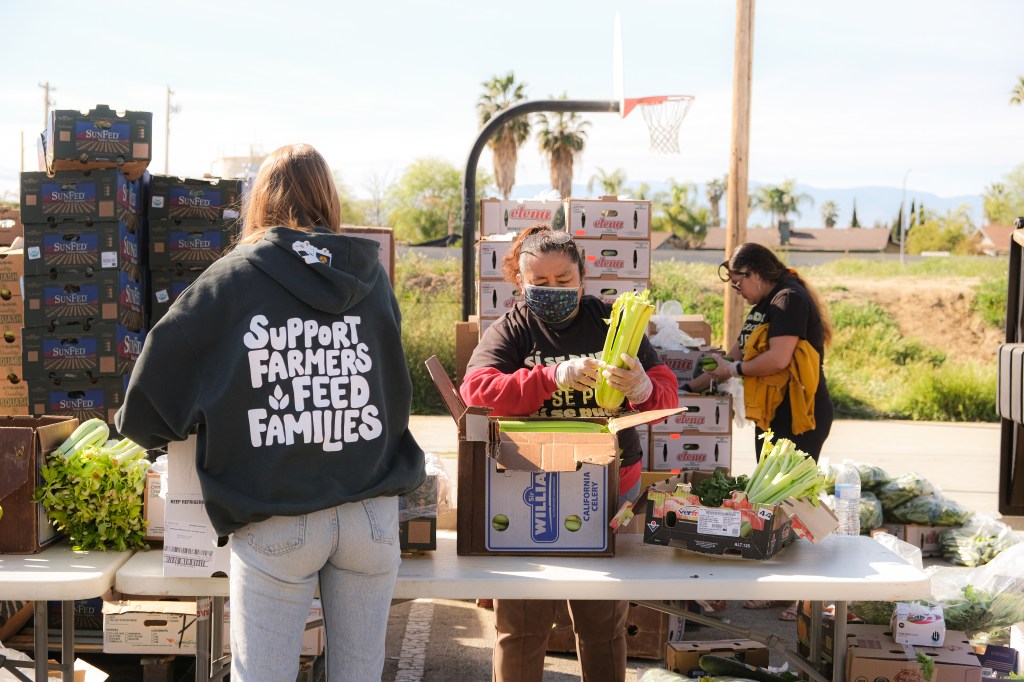
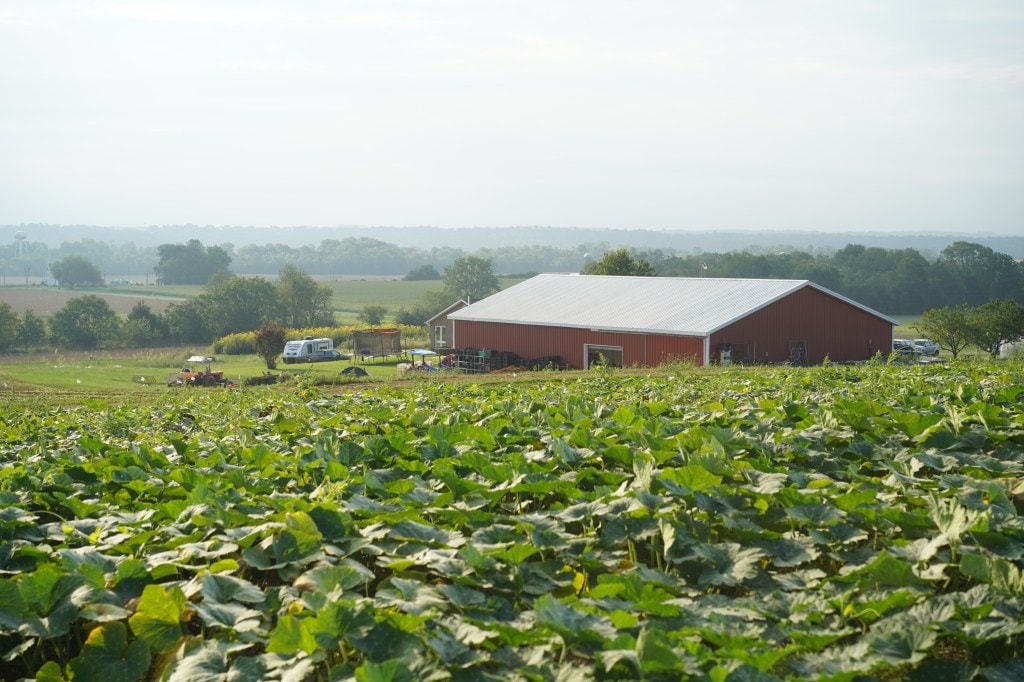
Farmlink’s approach is elegantly simple but powerfully effective: working with farmers who have millions of pounds of excess fresh produce that would otherwise rot in landfills, creating harmful methane emissions. Instead, Farmlink redirects this farm-fresh food to families in need, simultaneously avoiding greenhouse gas emissions while addressing food insecurity. Although a seemingly obvious solution, there is currently no system in place to capture the tens of billions of pounds of excess food throughout our supply chain which goes to landfill before it even reaches the grocery store.
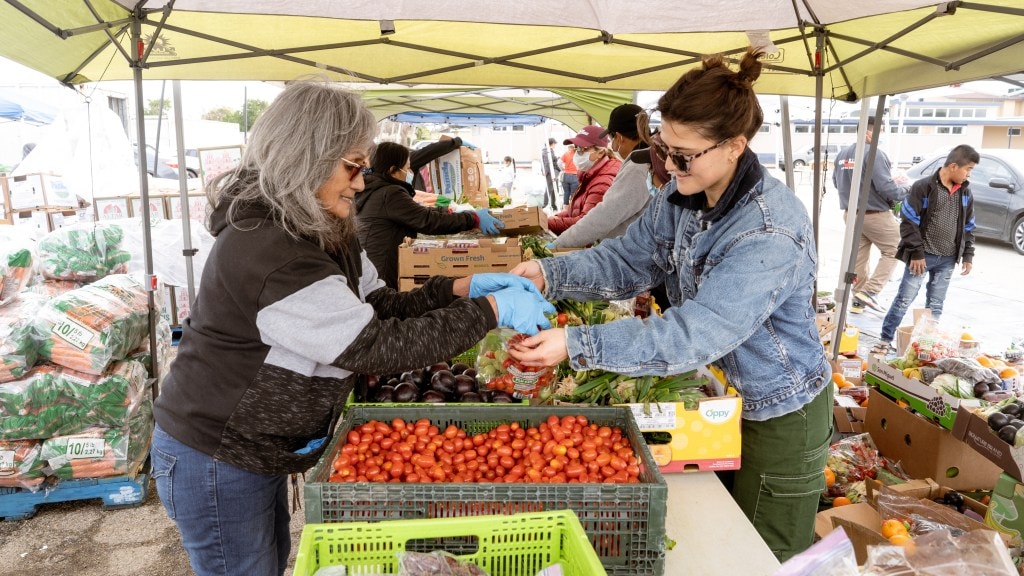
By the time the Los Angeles fires broke out, Intuit and The Farmlink Project were preparing to celebrate a milestone: moving our 10 millionth meal into the city. When disaster struck in January, Farmlink didn’t just maintain our Los Angeles operations, we transformed them. Working with local food banks and grassroots community support groups, we pivoted to provide fresh water and some of the only fresh food that fire-affected residents had received in days. As entire neighborhoods remained under evacuation orders and families crowded into emergency shelters, our established network became a critical lifeline.

Building Long-Term Resilience
This crisis response didn’t end when the fires were extinguished. Even today, we continue to provide fresh food and resources to food banks facing unprecedented demand. This demand persists even as federal budget cuts threaten to undermine their operations. The sobering reality is that the effects of climate change are here to stay in the short term, and we can only expect disasters like those we’ve witnessed this year to continue worsening in both severity and frequency. This includes the secondary and tertiary effects of such disasters, including hunger, economic displacement, and community fragmentation.
We’ve now moved 13 million pounds of food into these communities, translating to roughly 11 million meals and counting. But we see this achievement only as a proof of concept for what’s truly needed. As farmers struggle to deal with more unpredictable weather patterns, the cost of surplus and changing demand will only grow more pronounced. All of the food that Farmlink has delivered would otherwise have been a net financial loss for the farms involved. For the 88% of US farms that are small family operations, this impact is highly tangible. Our partnership supports an innovative solution to address this efficiency gap – helping small rural businesses while building urban community resilience.
The Blueprint for a National Model
Our work in Los Angeles has taught us that effective disaster response requires more than just reacting to immediate needs. It demands building consistent, reliable aid networks that can provide both mitigation and preparedness. The lesson from our partnership is clear: communities deserve resilience systems that work not just in the days after disaster, but in the weeks, months, and years that follow.
While relief work in Los Angeles continues, this strategy is expanding city by city, county by county, creating a blueprint that can be replicated across the country. Our vision is ambitious but achievable: ensuring that communities nationwide know there’s a support network fighting not just to help after disasters strike, but to address the root causes that make them so devastating in the first place. Nonprofits like Farmlink depend on partnerships with companies like Intuit to make it happen.
This work represents an immediately effective piece of the global effort required to combat climate change. By simultaneously tackling food waste, a major source of greenhouse gas emissions, while providing direct relief to those most affected by climate impacts, we’re proving that climate action and community support aren’t separate goals. They’re two sides of the same essential coin.
The climate crisis demands that we meet both the immediate needs of disaster response and the long-term imperative of emissions reduction. Through food recovery, we’re doing both: one pallet of fresh food at a time, we’re building safer, healthier, and more resilient communities for the future while taking meaningful action against the climate crisis itself. Our partnership has already generated almost 11 million meals, avoided over 13,150 metric tons of CO2e, and saved over 450 million gallons of water from going to waste.
In order to make a lasting impact, we need to scale this proof of concept to a truly national level. That can only happen with more investment, which starts with individuals and organizations who believe that change is actually achievable.
Want to join Intuit in supporting The Farmlink Project? Consider donating at https://www.farmlinkproject.org/ways-to-give.